
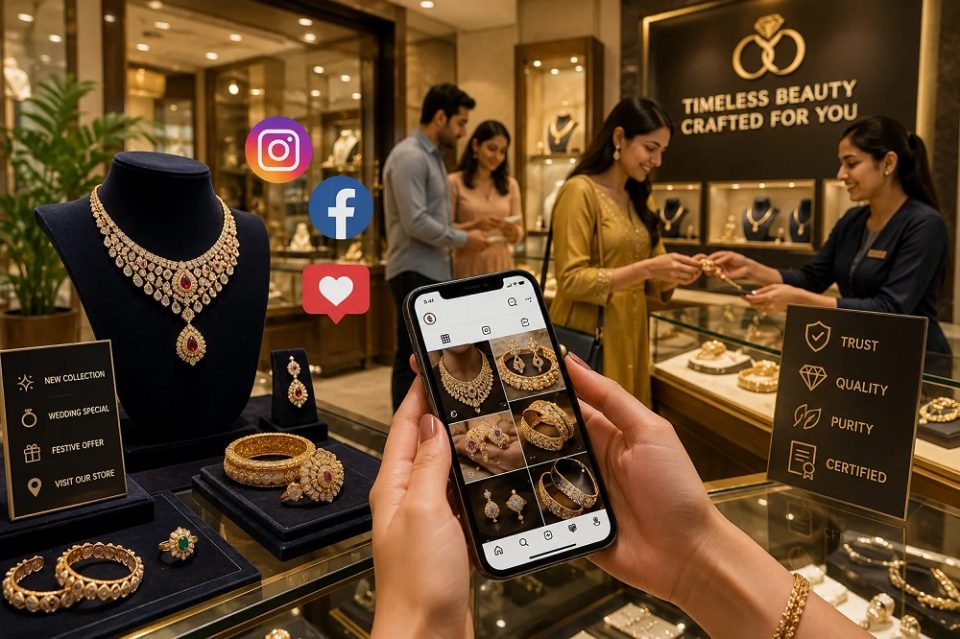
For generations, purchasing fine and fashion jewelry was an intimate, high-friction endeavor centered around brick-and-mortar boutiques, trusted family jewelers, and glossy magazine advertisements. Consumers relied on physical display cases and professional sales representatives to understand gemstone grading, precious metal purities, and craftsmanship. The buying journey was deliberately slow, tied heavily to landmark life milestones like engagements, anniversaries, and milestone birthdays.
The rapid rise of visual-first digital platforms has transformed this traditional retail paradigm. Social media has changed jewelry from an occasional, high-barrier luxury into an accessible, highly personalized form of daily self-expression. Today, platforms like Instagram, TikTok, Pinterest, and YouTube dictate trends, shape consumer perceptions of quality and value, and streamline the purchase funnel from initial discovery to instant checkout. Examining this technological and cultural shift reveals how algorithms, social proof, influencer dynamics, and digital transparency are redefining the contemporary jewelry market.
Visual-First Discovery and the Acceleration of Trend Cycles
Jewelry is inherently visual and tactile, making image- and video-driven platforms ideal mediums for product discovery. In the past, jewelry trends evolved over decades or multi-year fashion seasons dictated by elite design houses. Today, algorithmic content feeds introduce micro-trends and aesthetic movements to millions of global consumers within days.
Digital platforms accelerate jewelry trends through specific structural mechanics:
-
Short-Form Dynamic Video: Platforms highlighting short video formats allow shoppers to view jewelry in natural daylight, observed from multiple angles and in continuous motion, capturing gemstone sparkle and metal finishes far better than static catalog imagery.
-
Aesthetic-Driven Micro-Cultures: Visual curation categories, such as minimalist quiet luxury, vibrant bohemian layering, or vintage maximalism, create targeted demand for specific jewelry styles like bezel-set rings, chunky huggie earrings, and paperclip chains.
-
The Normalization of Layering and Stacking: Curated styling tutorials showing consumers how to build a curated ear with multiple piercings or layer contrasting necklace chains have turned single-item buyers into collectors of cohesive sets.
-
Rapid Viral Product Spikes: A single viral styling video or unboxing clip can deplete global inventory for an independent artisan or direct-to-consumer brand overnight, demonstrating unprecedented velocity in consumer demand.
This visual discovery engine continuously exposes consumers to novel designs, making fine jewelry an active component of everyday wardrobe styling rather than an assortment kept in a lockbox.
The Power of User-Generated Content and Social Proof
High-value purchases inherently carry consumer skepticism, especially when completed online without prior physical inspection. To mitigate this risk, modern shoppers rely heavily on social proof to validate their purchasing choices. User-generated content, customer unboxings, and unfiltered video reviews have largely replaced corporate marketing copy as the primary measure of credibility.
Social validation influences jewelry transactions through several distinct channels:
-
Unfiltered Lighting Demonstrations: Buyers frequently search community posts to see how a gemstone or gold chain appears under indoor office lighting, direct sun, or dim evening conditions compared to retouched promotional renders.
-
Peer Reviews in Comment Sections: Discussion threads beneath viral posts serve as public forums where verified buyers debate metal durability, tarnish resistance, prong security, and customer service responsiveness.
-
Real-World Scale and Proportions: Seeing rings, bracelets, and pendants worn on varied hand sizes, wrist circumferences, and skin tones helps prospective buyers accurately assess scale before placing an order.
-
Community Validation of Newer Materials: Social proof has driven the rapid mainstream adoption of modern materials, such as lab-grown diamonds, moissanite, and recycled gold, as users openly share their positive experiences regarding sparkle, ethical sourcing, and affordability.
When prospective buyers see everyday individuals happily showcasing their purchases, perceived transactional risk drops, clearing the path for confident purchasing decisions.
Influencer Authenticity and the Evolution of Endorsements
Celebrity endorsements have long been a fixture of luxury jewelry advertising, but traditional red-carpet sponsorships often feel distant to modern consumers. In contrast, social media influencers, particularly micro- and nano-creators, cultivate intimate, high-trust relationships with their audiences.
The impact of influencer partnerships on jewelry purchasing stems from key factors:
-
Contextual Everyday Integration: Rather than showing jewelry solely in formal studio settings, creators demonstrate how fine pieces pair with casual sweatshirts, professional blazers, or gym attire, expanding the perceived versatility of the item.
-
Curated Capsule Collaborations: Independent brands partner with trusted creators to design limited-run collections, leveraging the influencer personal aesthetic and engaged follower base to generate immediate demand.
-
Educational Storytelling: Influencer breakdowns of gemstone cuts, gold-filled versus solid gold longevity, and ethical mining standards help demystify technical jewelry terms for novice buyers.
-
Dedicated Promotion Codes: Direct affiliate links and unique discount codes incentivize prompt action, shortening the gap between browsing and final payment.
When a consumer views an influencer as a relatable style peer, a jewelry recommendation feels like authentic advice from a friend rather than a commercial pitch.
Educational Democratization and Consumer Empowerment
Historically, information asymmetry characterized the jewelry sector. Traditional retailers held the advantage regarding diamond grading metrics, metal pricing markups, and stone origins. Social media has democratized this knowledge, educating consumers before they ever speak with a jeweler.
Digital education empowers modern jewelry shoppers across several domains:
-
Decoded Industry Grading: Independent gemologists and jewelers creating educational content explain clarity grades, cut proportions, color variances, and price-per-carat scales in accessible language.
-
Customization and Bespoke Awareness: Step-by-step videos detailing how custom engagement rings are modeled, cast, and set have made bespoke jewelry accessible to everyday consumers who previously assumed custom work was reserved for elite budgets.
-
Supply Chain Transparency: Consumers increasingly demand traceability, using social channels to question brands regarding fair-trade artisanal mining, conflict-free guarantees, and sustainable workshop practices.
-
Direct Price Comparisons: Accessible pricing breakdowns shared by digital educators reveal standard retail markups, helping consumers identify genuine quality and avoid overpaying for brand names alone.
This wealth of easily accessible information produces discerning, knowledgeable shoppers who prioritize verifiable material craftsmanship over brand heritage.
Frictionless Social Commerce and Direct-to-Consumer Growth
Social media platforms have integrated digital storefronts directly into user feeds, eliminating the barriers that once separated inspiration from commercial transactions. Shoppers no longer need to leave their preferred app, search an external website, or navigate clunky checkout pages to buy a piece they admire.
Social commerce reshapes the jewelry transaction process through practical capabilities:
-
In-App Checkout Features: Direct shopping tags on images and video reels allow users to tap a featured ring or pendant, review specifications, and complete purchase using saved mobile payment credentials in seconds.
-
Augmented Reality Virtual Try-Ons: Advanced camera filters allow shoppers to project rings onto their actual fingers or visualize earring drops in real time, reducing uncertainty around fit and aesthetic proportions.
-
Direct-to-Consumer Disruption: Independent jewelry designers bypass traditional department store intermediaries, establishing global direct-to-consumer businesses powered almost entirely by organic social reach and targeted advertising.
-
Live Shopping Streams: Interactive live streams allow designers to host virtual trunk shows where viewers claim one-of-a-kind gemstone pieces in real time via live chat comments.
By combining visual inspiration, transparent pricing, and instant checkout into a unified interface, social platforms have made jewelry purchasing more dynamic, accessible, and frequent than ever before.
Frequently Asked Questions
How has social media influenced modern engagement ring preferences?
Social platforms have broadened consumer awareness beyond classic round brilliant diamonds on plain platinum bands, fueling strong demand for alternative cuts such as oval and emerald shapes, hidden halos, colored gemstones like sapphires and emeralds, vintage-inspired settings, and lab-grown center stones.
What role does Pinterest play in long-term jewelry purchasing compared to TikTok or Instagram?
Pinterest serves as an aspirational, intent-driven planning tool where users curate wedding mood boards, milestone gift wish lists, and capsule wardrobe ideas over months or years, whereas TikTok and Instagram drive immediate discovery, viral trend adoption, and spontaneous purchases.
Are luxury high-jewelry brands maintaining their prestige while advertising on social platforms?
Yes. Heritage luxury houses use social media to showcase archival historical designs, high-production documentaries on gem-setting craftsmanship, and red-carpet artistry, creating aspirational brand affinity while maintaining exclusivity through premium pricing.
How do consumers protect themselves from counterfeit jewelry advertised on social media?
Shoppers should verify that the brand provides clear third-party grading certificates for center stones, read independent verified customer reviews on external websites, look for official hallmark stamps on precious metals, and pay strictly through secure payment gateways that offer comprehensive buyer protection.
Why has self-gifting of fine jewelry increased among younger demographics on social channels?
Social media marketing campaigns and community dialogues frequently frame jewelry as an accessible celebration of personal achievements, promotions, and daily self-love, breaking the historical assumption that fine jewelry must only be received as a romantic gift.
How do independent jewelry artisans compete with major commercial brands on social platforms?
Independent artisans leverage authentic storytelling by filming behind-the-scenes metalwork, sharing bench jeweler techniques, explaining unique design inspirations, and directly replying to audience inquiries, building personal connections that large commercial chains struggle to replicate.
What is the impact of viral social media micro-trends on fine jewelry longevity?
While micro-trends stimulate short-term interest in specific novelty shapes or colorful enamel designs, fine jewelry made of solid gold, platinum, and durable gemstones retains intrinsic value, allowing buyers to wear, repurpose, or melt down and reset pieces long after the original digital trend subsides.
