
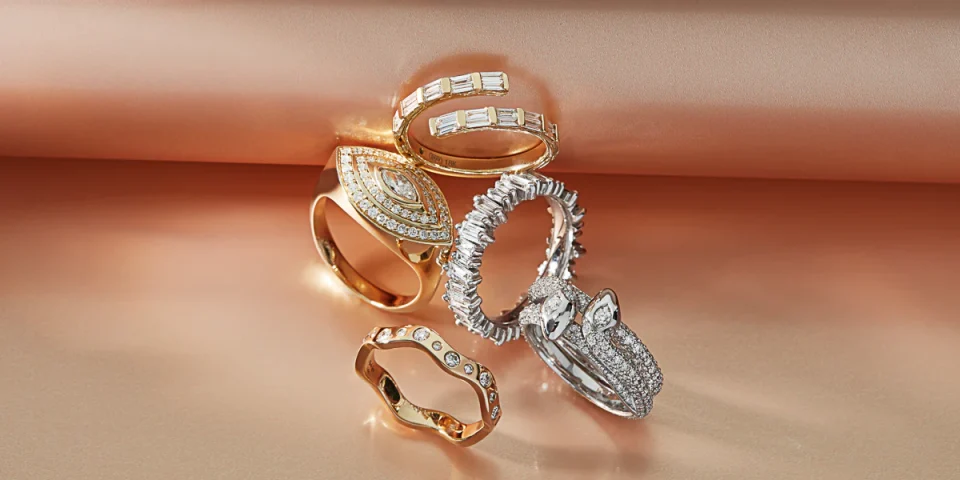
Jewelry has long been regarded as one of humanity’s most enduring symbols of beauty, status, and emotion. From ancient civilizations to contemporary society, it has evolved from simple adornments to intricate pieces of wearable art. The word jewelry itself evokes notions of luxury, craftsmanship, and cultural identity. More than mere decoration, it represents personal expression, artistry, and heritage. Today, jewelry continues to thrive as an intersection of tradition, design innovation, and emotional connection that transcends time and trends.
The Origins and Evolution of Jewelry
The history of jewelry stretches back over 100,000 years, with the earliest pieces made from bones, shells, and stones. Ancient societies used jewelry not only as ornamentation but also as a form of social and spiritual symbolism.
Ancient Civilizations and Their Creations
Egyptian jewelry remains among the most iconic in history. Egyptians adorned themselves with gold and precious stones like lapis lazuli and turquoise, associating these materials with divine power and protection. Jewelry was both a fashion statement and a spiritual safeguard, often buried with the dead for use in the afterlife.
In Mesopotamia and Greece, intricate metalwork and gemstones symbolized wealth and influence. The Greeks perfected techniques like filigree and granulation, producing delicate gold designs that remain influential in modern jewelry-making.
In India, jewelry was deeply tied to religion and culture. Gold bangles, necklaces, and anklets were worn as symbols of prosperity, while gemstones were believed to hold metaphysical energies. The tradition of Indian jewelry continues to shape global trends today.
The Medieval and Renaissance Influence
During the Middle Ages, jewelry became a marker of nobility and faith. Religious motifs, crosses, and amulets dominated designs. The Renaissance introduced artistic innovation, blending geometry, color, and humanist themes. Jewelry became not only decorative but also intellectual—a reflection of beauty and knowledge.
The Modern Age of Jewelry
The industrial revolution changed jewelry forever. Machines allowed mass production, making adornments accessible to the middle class. In the 20th century, design movements like Art Deco and Modernism redefined aesthetics, prioritizing geometry, minimalism, and innovative materials.
The Cultural and Symbolic Significance of Jewelry
Jewelry carries immense cultural and emotional value. It’s more than metal and gemstones—it’s a tangible expression of love, memory, and identity.
Jewelry as a Symbol of Status
Throughout history, jewelry has denoted social rank. Crowns, tiaras, and jeweled insignias symbolized power and nobility. Even today, luxury jewelry brands and heirloom pieces continue to signify prestige and exclusivity.
Spiritual and Protective Functions
Many cultures view jewelry as possessing protective or healing properties. Amulets, talismans, and gemstone jewelry have been worn to ward off negative energy or bring good fortune. Crystals like quartz, jade, and amber are believed to enhance well-being and balance energy.
Personal and Emotional Expression
Jewelry often represents life’s milestones—engagements, anniversaries, and achievements. Personalized pieces such as engraved pendants or birthstone rings hold emotional resonance, connecting the wearer to personal memories and relationships.
The Art and Craftsmanship Behind Fine Jewelry
The artistry of jewelry lies in its creation. Skilled craftsmanship transforms raw materials into symbols of elegance and meaning.
Design and Conceptualization
The process begins with an idea or inspiration. Designers often draw from nature, architecture, and culture. Every curve, gem, and metal choice contributes to the story the piece tells. Sketches and digital renderings bring designs to life before they reach the workshop.
Metalwork and Setting Techniques
Gold, silver, platinum, and palladium are the most common metals in fine jewelry. Techniques such as casting, engraving, and soldering require precision and patience. Setting gemstones—whether prong, bezel, or pavé—demands steady craftsmanship to ensure both security and brilliance.
Gem Selection and Cutting
Gemstones add radiance and color. Diamonds, sapphires, emeralds, and rubies remain timeless favorites, while rare stones like tanzanite or tourmaline are gaining popularity. Expert gem cutters enhance each stone’s brilliance by carefully aligning its facets to capture light perfectly.
The Economic and Social Impact of the Jewelry Industry
Jewelry is not only an art form but also a global economic powerhouse. The industry influences mining, trade, and fashion trends.
The Role of Gemstone Mining
Gem mining supports millions of livelihoods worldwide. However, ethical concerns around labor and environmental practices have led to the rise of sustainable jewelry. Today’s consumers value transparency and traceability in sourcing, prompting brands to adopt responsible mining and fair trade certifications.
Jewelry as an Investment
Fine jewelry can hold substantial financial value. Precious metals and gemstones often appreciate over time, making them long-term investments. Collectors and investors view certain pieces as assets that blend emotional and monetary worth.
Influence on Fashion and Culture
Jewelry plays a defining role in shaping fashion identity. From minimalist designs to statement necklaces, it complements personal style. It has also become a tool of cultural diplomacy, with iconic pieces worn by public figures influencing trends and perceptions worldwide.
Modern Trends in Jewelry Design
Contemporary jewelry design blends tradition with innovation, creating pieces that reflect evolving tastes and technologies.
Sustainable and Ethical Jewelry
Modern consumers are increasingly eco-conscious. Jewelry made from recycled metals, lab-grown diamonds, and ethically sourced gemstones reflects this shift. Designers focus on minimal waste and sustainable craftsmanship, ensuring beauty aligns with responsibility.
Personalized and Custom Creations
Customization has become a cornerstone of modern jewelry. Consumers seek unique designs that reflect personal stories. Engraved initials, birthstones, and bespoke settings make each piece distinct and meaningful.
Technological Innovation
Technology has revolutionized jewelry creation. 3D printing enables precise modeling, while AI aids in predicting trends and optimizing designs. Digital jewelry design tools have made it easier for artisans to create intricate patterns once impossible by hand.
The Return of Vintage and Heirloom Jewelry
As sustainability becomes a focus, vintage jewelry is regaining prominence. Heirloom pieces are being redesigned and repurposed, merging historical charm with modern aesthetics. These timeless treasures connect generations through craftsmanship and heritage.
Jewelry in Human Emotion and Psychology
Jewelry influences how people perceive themselves and others. It can enhance confidence, evoke nostalgia, and express individuality.
Jewelry and Identity
A person’s jewelry choices often mirror their personality. Minimalists may prefer simple, understated designs, while expressive individuals lean toward bold, statement-making pieces. This connection between adornment and identity makes jewelry a deeply personal form of art.
The Emotional Connection
Receiving jewelry as a gift creates a lasting emotional link between giver and receiver. Engagement rings symbolize love and commitment, while friendship bracelets signify loyalty and unity. Such exchanges transcend material value, becoming sentimental heirlooms.
The Role of Jewelry in Empowerment
In recent years, jewelry has also become a symbol of empowerment. Wearing meaningful pieces can boost confidence and self-expression. Many women view jewelry as a statement of independence and success rather than mere decoration.
The Future of Jewelry
The future of jewelry lies at the intersection of artistry, sustainability, and digital innovation.
Lab-Grown Gemstones and Sustainable Materials
Lab-grown diamonds and synthetic gemstones are gaining traction due to their ethical and environmental benefits. They offer the same physical properties as natural stones but are produced under controlled conditions, minimizing ecological impact.
Smart Jewelry and Technology Integration
The emergence of smart jewelry combines fashion with function. Rings, bracelets, and pendants now integrate technology for fitness tracking, communication, and digital payment. This fusion of style and innovation redefines what jewelry can do in the modern world.
Globalization and Cultural Fusion
Global influences are blending diverse design aesthetics. Artisans integrate traditional motifs with contemporary minimalism, creating jewelry that resonates across cultures while maintaining authenticity.
FAQs About Jewelry
Q1. Why is jewelry considered timeless?
Jewelry holds cultural, emotional, and aesthetic value that transcends eras. Its beauty and symbolism remain relevant regardless of changing trends.
Q2. What factors determine the value of a gemstone?
A gemstone’s value depends on the four Cs—cut, color, clarity, and carat weight—along with its rarity, origin, and demand in the market.
Q3. How can I maintain and clean my jewelry?
Regular cleaning with mild soap and a soft cloth preserves shine. Avoid harsh chemicals and store pieces separately to prevent scratches. Professional inspection ensures long-term durability.
Q4. What are the benefits of lab-grown diamonds?
Lab-grown diamonds are eco-friendly, ethically sourced, and often more affordable than mined ones. They offer the same brilliance and hardness as natural diamonds.
Q5. How does jewelry reflect personal identity?
Jewelry choices often mirror personality, mood, and cultural background. Every piece tells a story about the wearer’s values, emotions, and sense of style.
Q6. What are the emerging trends in jewelry for the future?
Trends focus on sustainability, personalization, and digital integration. Consumers prefer pieces that blend technology, craftsmanship, and ethical sourcing for lasting appeal.
Jewelry remains one of humanity’s most profound artistic achievements—a fusion of craft, culture, and emotion. It connects the past with the present and transforms raw materials into symbols of love, identity, and timeless elegance.
